
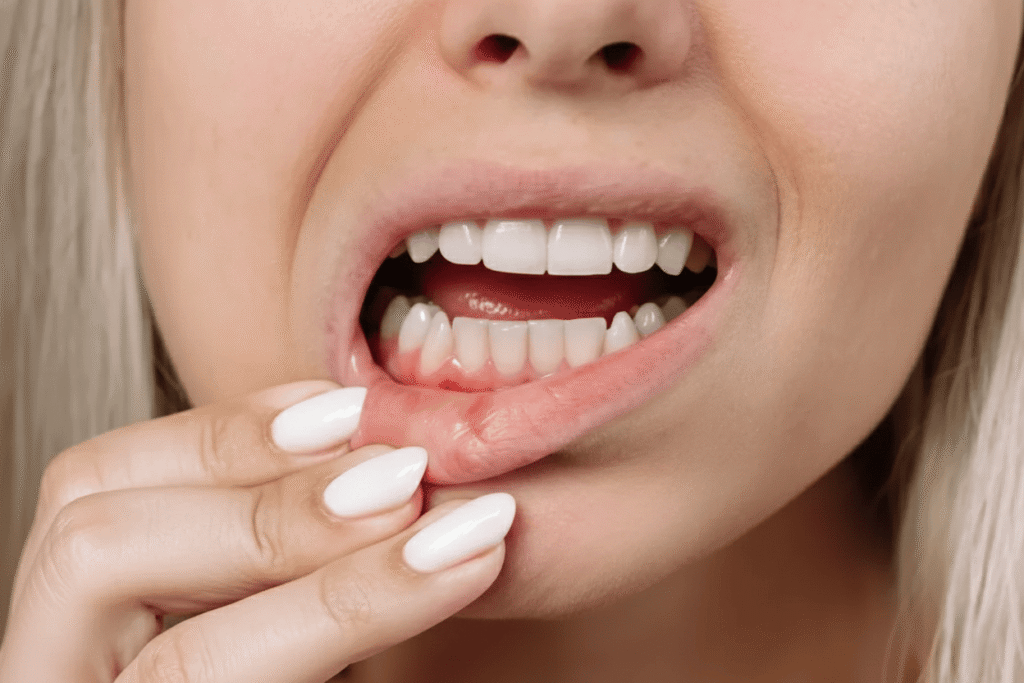

Why Receding Gums Matter for Older Adults
Receding gums are not just a cosmetic concern. They are a clear warning sign that something is wrong with your oral health. As gums pull back from the teeth, they expose the sensitive tooth roots, increasing the risk of pain, decay, infection, and even tooth loss. For adults over 40, this issue becomes increasingly common due to years of wear, lifestyle habits, and natural biological changes.
Ignoring receding gums can lead to serious complications. Once gum tissue is lost, it does not grow back on its own. Early action is critical. Understanding receding gums causes and knowing how to treat and prevent further damage can make the difference between preserving your natural teeth and facing costly dental procedures later.
This guide explains the most common causes of receding gums, how to spot early warning signs, and what treatment options actually work.
The 5 Main Causes of Receding Gums
Receding gums rarely happen overnight. In most cases, they develop gradually due to a combination of factors. Below are the five most common and well-documented receding gums causes.
1.Aggressive or Improper Brushing
Brushing your teeth too hard or using a hard-bristled toothbrush can slowly wear away gum tissue. Many people believe that brushing harder equals cleaner teeth. That belief is wrong.
- Over time, aggressive brushing:
- Erodes gum tissue
- Damages tooth enamel near the gumline
- Creates notches at the base of the teeth
This type of mechanical damage is one of the most preventable causes of gum recession. It is especially common in adults who have brushed the same way for decades without guidance from a dental professional.
2. Gum Disease (Periodontal Disease)
Gum disease is the leading medical cause of receding gums. It begins with plaque buildup along the gumline. When plaque hardens into tartar, bacteria multiply and trigger inflammation.
As periodontal disease progresses:
- Gums pull away from the teeth
- Deep pockets form between teeth and gums
- Bone and connective tissue are destroyed
Advanced gum disease often causes recession without pain, which makes it particularly dangerous. By the time symptoms are noticeable, significant damage may already be present.
3. Genetics
Some people are genetically predisposed to thinner or weaker gum tissue. If gum disease or recession runs in your family, your risk is higher regardless of how well you brush and floss.
Genetic factors can influence:
- Gum thickness
- Immune response to bacteria
- Susceptibility to inflammation
While genetics cannot be changed, early monitoring and preventive care can significantly slow progression.
4. Smoking and Tobacco Use
Smoking is strongly linked to gum recession and tooth loss. Tobacco products reduce blood flow to the gums, impair healing, and suppress immune response.
Smokers often experience:
- Increased plaque buildup
- Masked symptoms of gum disease
- Faster tissue and bone loss
Smokeless tobacco is not safer. It directly irritates gum tissue and accelerates recession where it is placed.
5. Hormonal Changes
Hormonal fluctuations can make gums more sensitive and vulnerable to inflammation. This is particularly relevant for women during:
- Menopause
- Pregnancy
- Hormone replacement therapy
Lower estrogen levels can reduce bone density and gum tissue resilience, increasing the likelihood of recession later in life.
How to Recognize Receding Gums Early?
Early detection is critical because gum recession is easier to manage before severe tissue loss occurs.
Common early signs include:
- Teeth appearing longer than before
- Increased tooth sensitivity to hot, cold, or sweet foods
- Visible root surfaces near the gumline
- Red, swollen, or bleeding gums
- Notches or grooves at the base of teeth
- Less obvious symptoms may include:
- Bad breath that does not go away
- A loose feeling in teeth
- Changes in bite alignment
Routine dental exams are essential. Dentists measure gum pocket depth and monitor changes over time. Many patients are unaware of recession until a professional points it out.
Professional Treatment Options
Once gum recession is diagnosed, treatment depends on severity, cause, and overall oral health. Professional care is often necessary to stop progression.
This deep-cleaning procedure is commonly used for gum disease-related recession.
It involves:
- Removing plaque and tartar below the gumline
- Smoothing tooth roots to discourage bacteria reattachment
- Allowing gums to reattach to healthier surfaces
Scaling and root planing can significantly reduce inflammation and slow further recession when performed early.
- Gum Grafting Surgery
For moderate to severe recession, gum grafting may be recommended.
This procedure:
- Uses tissue from another area of the mouth or a donor source
- Covers exposed tooth roots
- Protects against further bone loss
- Improves appearance and sensitivity
While surgery sounds intimidating, modern techniques make gum grafting highly effective with predictable results.
Treatment of Underlying Causes
Professional treatment also includes addressing contributing factors such as:
- Bite misalignment
- Teeth grinding
- Poor-fitting dental restorations
Without correcting the root cause, recession is likely to continue even after treatment.
At-Home Management Strategies
At-home care cannot reverse gum recession, but it plays a major role in preventing progression and supporting professional treatment.
- Improve Brushing Technique
Use a soft-bristled toothbrush and gentle pressure. Electric toothbrushes with pressure sensors can be particularly helpful.
Many people struggling with gum issues found clarity in this honest review of Nature’s Smile for gums, where its herbal approach is explained in detail.
Key tips:
- Brush at a 45-degree angle toward the gumline
- Avoid sawing motions
- Brush for two minutes, not harder
- Floss Daily
Flossing removes plaque between teeth where brushing cannot reach. This is critical for preventing gum disease-related recession.
If traditional floss is difficult:
- Use floss picks
- Try water flossers
- Consider interdental brushes
- Use Desensitizing and Gum-Health Toothpaste
Specialized toothpaste can help:
- Reduce sensitivity
- Strengthen enamel near the gumline
- Support healthier gum tissue
Look for products containing potassium nitrate, fluoride, or stannous fluoride.
Address Teeth Grinding
Bruxism places excessive force on teeth and gums. A custom night guard from your dentist can reduce stress and prevent further damage.
Quit Smoking
Stopping tobacco use is one of the most effective ways to slow gum recession and improve healing.
Prevention Tips for the Future
Preventing receding gums is far easier than treating them. Long-term oral health depends on consistent habits and professional monitoring.
Key prevention strategies include:
- Dental checkups every six months
- Professional cleanings to remove tartar
- Managing chronic conditions such as diabetes
- Maintaining a balanced diet rich in vitamins C and D
- Staying hydrated to support saliva production
Avoid:
- Hard-bristled toothbrushes
- Over-brushing
- Ignoring bleeding gums
Education and awareness are critical. Many adults develop receding gums simply because no one corrected harmful habits early enough.
Conclusion: Taking Action Now
Receding gums are common, especially in adults over 40, but they are not inevitable. Understanding receding gums causes allows you to take informed, proactive steps before permanent damage occurs.
Early recognition, professional treatment, and disciplined at-home care can:
- Reduce sensitivity
- Prevent tooth loss
- Protect long-term oral health
Gum recession does not fix itself. Waiting only limits your options. If you notice signs of receding gums, schedule a dental evaluation and take control now. Your future smile depends on it.

