
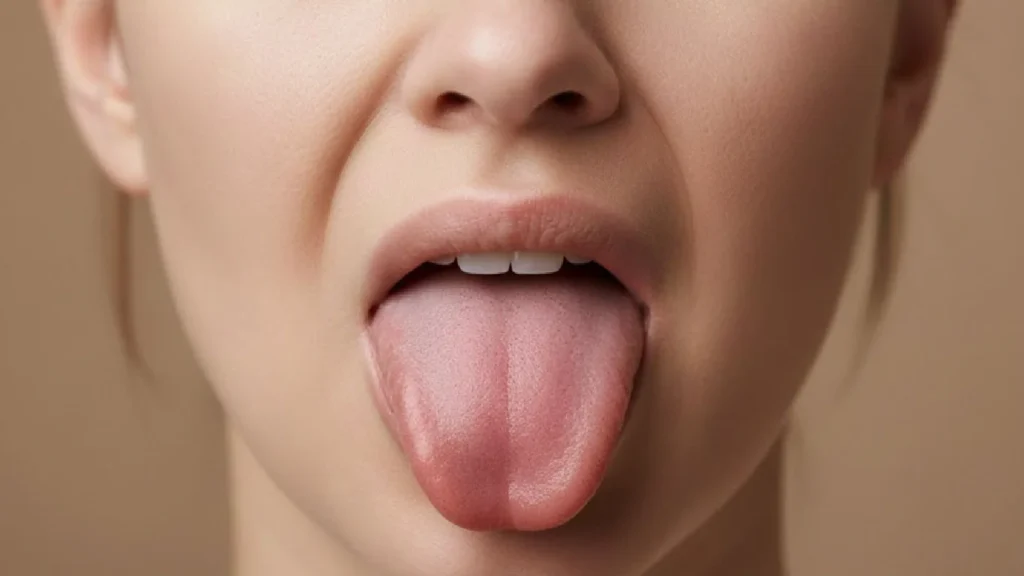

Why Dry Mouth Becomes More Common With Age
Dry Mouth in Your 40s and 50s, clinically known as xerostomia, becomes noticeably more common during this stage of life. This is not a coincidence — as the body ages, saliva production often decreases, and multiple age-related factors begin to overlap. Although Dry Mouth in Your 40s and 50s may seem like a minor annoyance, it is actually a serious oral health concern that should not be ignored.
Saliva plays a critical role in maintaining healthy teeth and gums. It neutralizes acids, washes away food particles, controls bacteria, and protects tooth enamel. When saliva flow drops, the entire oral environment changes—and not for the better.
Many adults tolerate dry mouth symptoms for years without realizing the damage being done. Understanding the causes and using evidence-based dry mouth remedies can prevent cavities, gum disease, infections, and long-term dental complications.
This guide explains why dry mouth becomes more common in midlife, how it affects your teeth, and what actually works to manage it.
Common Causes of Dry Mouth in Your 40s
Dry mouth rarely has a single cause. In adults over 40, it is usually the result of medications, underlying health conditions, and hormonal changes acting together.

Medications:
Medications are the most common cause of dry mouth in middle-aged and older adults. Hundreds of commonly prescribed drugs list dry mouth as a side effect.
The most frequent culprits include:
- Blood pressure medications
- Antidepressants and anti-anxiety drugs
- Antihistamines and allergy medications
- Muscle relaxants
- Pain medications, including opioids
- Medications for bladder control
These drugs interfere with nerve signals that stimulate saliva production. The more medications a person takes, the higher the risk of xerostomia.
Dry mouth caused by medication often worsens over time, especially when doses increase or multiple drugs are combined.
Health Conditions:
Several chronic conditions that become more common with age directly affect salivary glands or fluid balance.
Common conditions linked to dry mouth include:
- Diabetes
- Sjögren’s syndrome
- Thyroid disorders
- Rheumatoid arthritis
- Parkinson’s disease
- Stroke-related nerve damage
Poorly controlled diabetes is a major contributor. High blood sugar increases fluid loss and reduces saliva flow, leading to persistent dryness.
Autoimmune disorders such as Sjögren’s syndrome directly attack salivary glands, causing severe and chronic dry mouth.
Hormonal Changes:
Hormonal shifts during midlife—especially in women—can significantly affect saliva production.

Menopause-related changes include:
- Reduced estrogen levels
- Increased inflammation
- Altered gland function
These changes can lead to dry mouth, burning sensations, and altered taste. Hormone replacement therapy may help some individuals but can worsen symptoms in others.
Men also experience hormonal changes with age, though the effects on saliva are typically less pronounced.
How Dry Mouth Affects Your Teeth
Dry mouth is not just uncomfortable. It directly increases the risk of serious dental problems.
Increased Risk of Cavities:
Saliva neutralizes acids produced by bacteria. Without adequate saliva, acids remain on the teeth longer, eroding enamel and leading to cavities.
People with chronic dry mouth often develop:
- Cavities along the gumline
- Decay between teeth
- Rapid tooth breakdown despite good brushing habits
- These cavities progress faster and are harder to detect early.
- Higher Risk of Gum Disease
A dry mouth allows harmful bacteria to multiply unchecked. This increases inflammation in the gums and accelerates periodontal disease.
Dry Mouth in Your 40s contributes to:
- Red, swollen gums
- Bleeding during brushing or flossing
- Faster gum recession
Gum disease combined with dry mouth significantly raises the risk of tooth loss.
Oral Infections and Discomfort:
Saliva helps control fungal and bacterial growth. When saliva is reduced, infections become more likely.

Common complications include:
- Oral thrush
- Mouth sores
- Cracked lips and tongue
- Difficulty chewing, swallowing, or speaking
Chronic dryness can also alter taste and make eating uncomfortable, which affects nutrition.
Effective Home Remedies
Home care plays a major role in managing dry mouth. While no home remedy cures xerostomia, the following strategies are proven to reduce symptoms and protect oral health.
- Stay Consistently Hydrated
Sip water throughout the day instead of drinking large amounts at once. Small, frequent sips keep tissues moist without overwhelming the body.
Avoid:
- Sugary drinks
- Caffeinated beverages
- Alcohol
These worsen dehydration and dryness.
- Chew Sugar-Free Gum or Lozenges
Chewing stimulates saliva production. Choose sugar-free products containing xylitol, which also helps reduce cavity-causing bacteria.
Avoid lozenges with sugar or citric acid, which increase enamel erosion.
- Use Saliva Substitutes and Oral Moisturizers
Over-the-counter saliva substitutes provide temporary relief and help lubricate oral tissues.
Look for products designed specifically for dry mouth, such as:
- Moisturizing sprays
- Gels
- Mouth rinses without alcohol
These products do not restore saliva production but improve comfort and protection.
- Switch to a Dry Mouth–Friendly Toothpaste
Many toothpastes contain foaming agents that irritate dry tissues.
Choose toothpaste that:
- Is fluoride-based
- Lacks sodium lauryl sulfate
- Is labeled for dry mouth or sensitive mouths
Fluoride is essential to prevent decay in dry mouth conditions.
- Use a Humidifier at Night
Dry mouth often worsens during sleep, especially for mouth breathers.
A bedside humidifier:
- Adds moisture to the air
- Reduces overnight dryness
- Improves morning comfort
This is particularly helpful in dry climates or during winter.
- Breathe Through Your Nose
Chronic mouth breathing accelerates dryness.
If nasal congestion is an issue:
- Address allergies
- Treat sinus problems
- Avoid sleeping flat if congestion worsens
Correcting breathing habits reduces overnight and daytime dryness.
- Limit Irritating Foods
Spicy, salty, and acidic foods can irritate dry tissues and worsen discomfort.
Focus on:
- Soft foods
- Moist meals
- Foods with sauces or broths
Adequate nutrition supports healing and saliva production.
When to See a Dentist
Dry mouth should not be managed alone if symptoms persist.

You should see a dentist if:
- Dry mouth lasts longer than a few weeks
- Cavities develop rapidly
- You experience burning or pain
- Eating and speaking become difficult
Dentists can:
- Identify medication-related causes
- Prescribe high-fluoride treatments
- Recommend prescription saliva stimulants
- Monitor for decay and infections
In severe cases, prescription medications such as pilocarpine or cevimeline may be used to stimulate saliva production.
Early dental involvement prevents complications that are costly and difficult to reverse.
Lifestyle Changes That Help
Long-term management of dry mouth requires consistent lifestyle adjustments.
Effective changes include:
- Quitting smoking or vaping
- Limiting alcohol intake
- Managing blood sugar levels
- Reducing caffeine consumption
- Maintaining regular dental visits
Stress management is also important. Chronic stress affects hydration, immune response, and saliva production.
These changes do not eliminate dry mouth entirely, but they significantly reduce severity and protect oral health.
Conclusion: Managing Dry Mouth in Your 40s Long-Term
Dry mouth in your 40s and 50s is common, but it is not harmless. Left untreated, it leads to cavities, gum disease, infections, and tooth loss.
Understanding the causes and using proven dry mouth remedies allows you to manage symptoms effectively and prevent long-term damage. Home care, professional guidance, and lifestyle changes work best when combined.
Dry mouth rarely resolves on its own. If symptoms persist, professional evaluation is essential. Managing xerostomia early protects your teeth, your comfort, and your overall oral health for years to come.


