
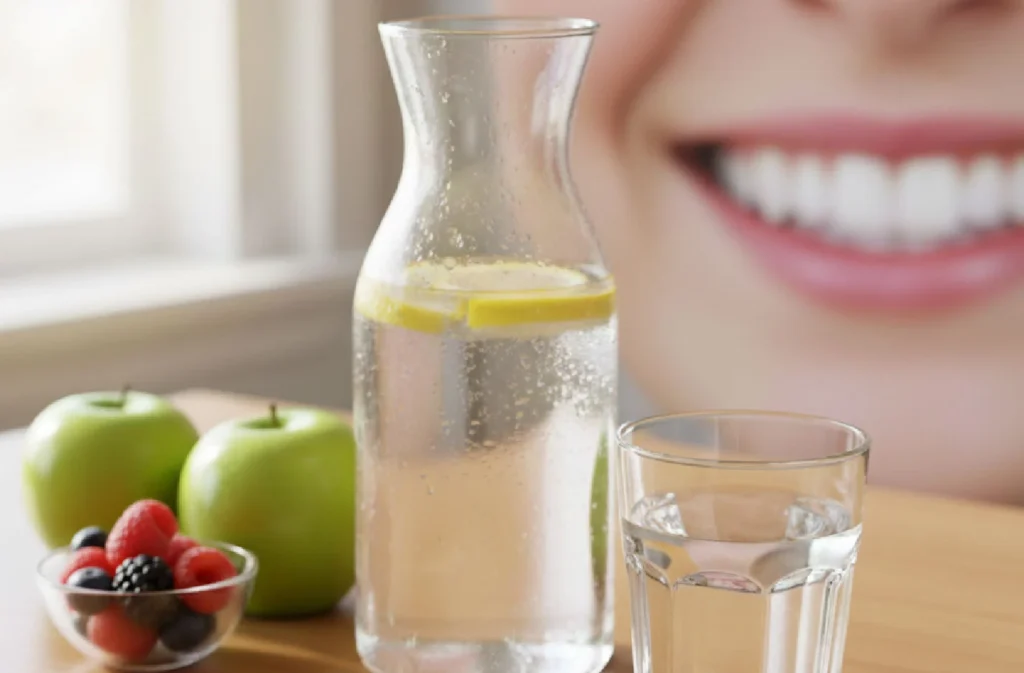

Water as the Foundation of Oral Health
When people think about oral health, they think about brushing, flossing, toothpaste, and dental visits. Water is rarely part of the conversation. That is a mistake.
Hydration is one of the most overlooked and underestimated factors in oral health—especially for adults over 40. As you age, your mouth becomes more vulnerable to dryness, decay, inflammation, and infection. Many of these problems are directly tied to inadequate hydration, even in people who brush and floss diligently.
Saliva is the primary defense system of the mouth, and saliva is mostly water. Without enough fluid intake, saliva production drops, the oral environment becomes acidic, bacteria thrive, and teeth and gums suffer. No oral hygiene product can compensate for chronic dehydration.
Understanding the connection between hydration oral health is essential because drinking enough water is one of the simplest, cheapest, and most effective ways to protect your teeth and gums long-term.
How Water Prevents Dry Mouth
Dry mouth, or xerostomia, is one of the most common oral complaints in adults over 40. It is also one of the most damaging.
Why Dry Mouth Develops With Age?
Dry mouth becomes more common due to:
- Reduced saliva production with aging
- Medications for blood pressure, anxiety, depression, allergies, and pain
- Chronic conditions such as diabetes or autoimmune disease
- Mouth breathing and sleep apnea
Even mild, persistent dryness can have serious consequences.
- The Role of Water in Preventing Dry Mouth
Water does not replace saliva, but it supports saliva production and helps maintain moisture in oral tissues.
Adequate hydration:
- Keeps oral tissues lubricated
- Supports salivary gland function
- Reduces the severity and duration of dry mouth episodes
When water intake is low, saliva becomes thick and insufficient, allowing bacteria to multiply unchecked.
Why Dry Mouth Is Dangerous?
Chronic dry mouth increases the risk of:
- Cavities (especially along the gumline)
- Gum disease
- Oral infections such as thrush
- Cracked lips and tongue
- Difficulty chewing and swallowing
Hydration is the first and most basic defense against these problems.
Water and Saliva Production
Saliva is the unsung hero of oral health. Without it, the mouth quickly becomes hostile to teeth and gums.
What Saliva Does for Your Mouth?
Saliva:
- Neutralizes acids produced by bacteria
- Washes away food particles
- Provides minerals for enamel remineralization
- Controls bacterial growth
- Aids digestion and swallowing
A healthy mouth depends on a steady flow of saliva throughout the day.
How Hydration Affects Saliva?
Saliva is approximately 99% water. When the body is dehydrated, saliva production is one of the first systems to be reduced.
Inadequate hydration leads to:
- Reduced saliva volume
- Thicker, less effective saliva
- Slower clearance of acids and bacteria
This creates an environment where cavities and gum disease develop more easily.
- Dehydration You May Not Notice
Many adults are chronically underhydrated without feeling “thirsty.” Symptoms may include:
- Dry mouth upon waking
- Sticky or foamy saliva
- Frequent bad breath
- Increased tooth sensitivity
These are oral warning signs, not minor inconveniences.
Water vs. Other Beverages
Not all fluids support oral health equally. Some actively undermine it.
Why Water Is Superior?
Plain water:
- Contains no sugar
- Is non-acidic
- Does not feed bacteria
- Helps rinse the mouth naturally
Water supports saliva instead of competing with it.
- Beverages That Harm Oral Health
Many commonly consumed drinks worsen dehydration or damage teeth.
Coffee and Tea (Caffeinated)
Caffeine has a mild diuretic effect and can contribute to dryness. Coffee and black tea also stain teeth.
Alcohol
Alcohol significantly dries the mouth and reduces saliva production. Frequent use increases the risk of cavities and gum disease.
Sugary Drinks
Soda, sweetened tea, juice, and sports drinks feed bacteria and create acid attacks.
Acidic Drinks
Even sugar-free beverages such as sparkling water with citrus, kombucha, or flavored waters can erode enamel over time.
Why “Drinking Fluids” Is Not Enough?
Hydration that supports hydration oral health comes primarily from water. Other beverages may contribute calories or enjoyment, but they do not provide the same protective effect and often counteract it.
Fluoridated Water and Cavity Prevention
Water does more than hydrate. In many areas, it actively protects teeth.
How Fluoridated Water Works?
Fluoride strengthens enamel by:
- Enhancing remineralization
- Making enamel more resistant to acid
- Reducing cavity formation
Unlike toothpaste, fluoridated water provides low-level, continuous exposure throughout the day.
Why This Matters More With Age?
Adults over 40 face higher risk of:
- Root cavities due to gum recession
- Enamel wear from decades of use
- Dry mouth from medications
Fluoridated water helps protect vulnerable tooth surfaces that brushing alone cannot fully defend.
Bottled vs. Tap Water
Many bottled waters:
- Contain little or no fluoride
- Are acidic
- Offer no cavity protection
If your tap water is fluoridated, it is often the better choice for oral health.
Hydration and Gum Health
Gum tissue is living, vascular tissue that depends on proper hydration to stay healthy.
How Dehydration Affects Gums?
When hydration is inadequate:
- Blood flow to gums decreases
- Tissue becomes fragile and inflamed
- Healing slows
- Bacterial toxins concentrate
This makes gums more susceptible to gingivitis and periodontal disease.
Saliva’s Role in Gum Protection
Saliva helps:
- Flush bacteria away from the gumline
- Neutralize inflammatory byproducts
- Maintain a balanced oral microbiome
Without enough saliva, inflammation becomes chronic and destructive.
Why This Is Critical After 40?
As gum recession and bone loss become more common with age, hydration becomes a key factor in slowing disease progression. Water does not treat gum disease, but inadequate hydration accelerates it.
Daily Water Intake Recommendations
There is no single number that fits everyone, but general guidelines are useful.
- General Recommendations
Most adults benefit from:
- 6–8 cups (1.5–2 liters) of water per day as a baseline
- More if physically active, in hot climates, or taking drying medications
Oral health often requires the higher end of this range.
- Signs You Need More Water
- Persistent dry mouth
- Dark urine
- Fatigue
- Headaches
- Increased bad breath
If your mouth frequently feels dry, your intake is likely insufficient.
Sip vs. Chug
For oral health:
- Sip water consistently throughout the day
- Avoid drinking large amounts all at once
Frequent sipping maintains moisture and supports saliva production more effectively.
Hydration Tips for Older Adults
Hydration becomes more challenging with age due to reduced thirst sensation and lifestyle factors.
- Practical Strategies
- Keep a water bottle visible at all times
- Drink a glass of water with every meal
- Sip water when taking medications
- Use reminders if needed
- For Dry Mouth Sufferers
- Keep water at bedside
- Sip before speaking for long periods
- Avoid alcohol-based mouthwash
- Combine hydration with saliva substitutes if necessary
- What Not to Rely On
- Sugary beverages
- Caffeinated drinks
- Fruit juice
These do not replace water for oral hydration.
Conclusion: The Simplest Health Habit
Hydration is not a supplement, a product, or a treatment plan. It is a foundational habit that supports every aspect of oral health.
The link between hydration oral health is direct and unavoidable:
- Water supports saliva
- Saliva protects teeth and gums
- Dehydration accelerates decay, inflammation, and infection
For adults over 40, hydration becomes even more important as natural protective mechanisms decline. No toothpaste, rinse, or procedure can compensate for chronic underhydration.
Drinking enough water is one of the simplest actions you can take to:
- Prevent cavities
- Reduce dry mouth
- Support gum health
- Protect aging teeth
It costs nothing, requires no prescription, and works continuously in the background. When it comes to oral health, water is not optional. It is foundational.